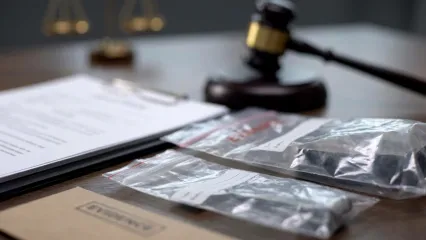
In the investigation and prosecution of drug-related offenses, courts evaluate all evidence in the case file as a whole. The quality of the proofs is crucial for reaching a fair and accurate verdict in criminal proceedings.
Common Evidence in Drug Offenses
To prove innocence or establish guilt in these types of criminal cases, the following evidence is most frequently used:
Criminal laboratory and expert reports
Fingerprint examinations
DNA analysis results
Historical Cell Site Analysis (HTS) and call records
Cell tower data
Security camera footage
Digital forensics (phones, computers, etc.)
Search and seizure records
Witness and suspect testimonies
Bank and financial transactions
The Importance of Legally Obtained Evidence
For any evidence to be admissible in court, it must be obtained through lawful methods. The existence of a single piece of evidence does not guarantee the same legal outcome in every case. How the proof was gathered, its reliability, and how well it corroborates other findings directly determine the course of drug-related trials.